
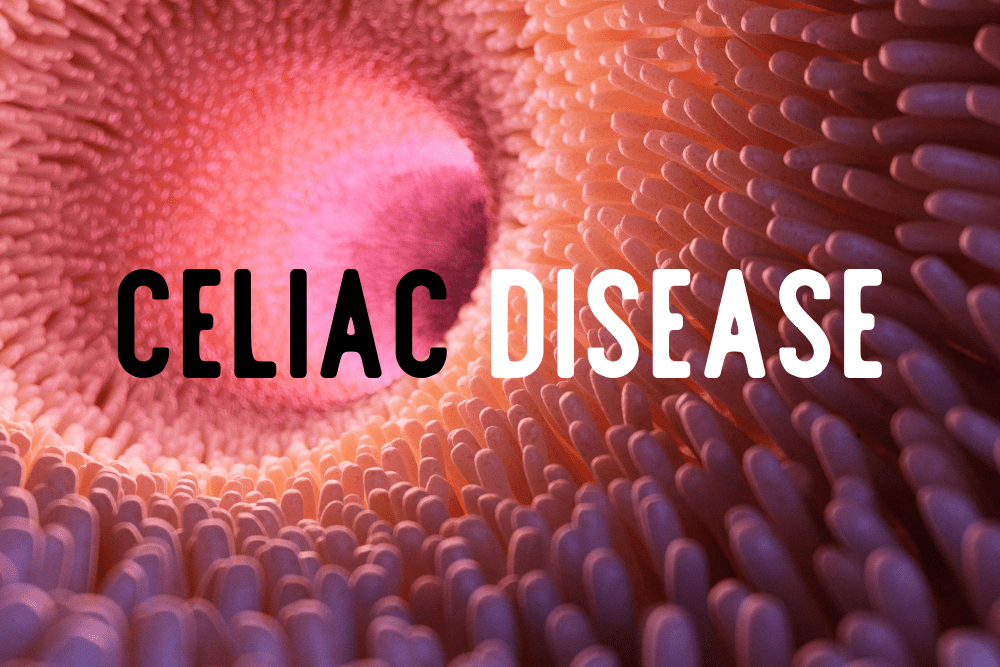
While people pay a significant amount of attention to diseases and disabilities, many diseases tend to go unnoticed due to a lack of awareness about them. These include celiac disease, which contaminates an average of 1.4% of people around the world. While this percentage may seem insignificant it is actually about 108 million people. Celiac disease is basically a sensitivity towards any products that include gluten, which triggers an immune response in the body that affects the small intestine. The reason I believe that it is important to spread awareness about this disease is that people that have it normally have a difficult time finding products that they can eat without triggering it. In addition, in some countries, this disease is not taken seriously, or even not discussed at all, which means that many people end up going through their life undiagnosed, and therefore struggling with many symptoms that negatively impact their health and well-being.
I have a friend that suffers from this disease, and I have noticed many complications that she faces on a daily basis. As a 3-year-old toddler, she was experiencing diarrhea, fatigue, and weight loss, which are only some of the symptoms. Her parents conducted many tests in an attempt to diagnose her, and one of these tests came back showing that she had an iron deficiency, which they assumed was the reason she was having these symptoms. However, iron deficiency was actually only a side effect of having the disease. After consulting a doctor, they finally found out that she had celiac disease.
At first, they struggled to find the right food for her to eat, as she was only able to eat gluten-free products, which were difficult to find, and very expensive. Since she could not eat bread, pasta, or white rice, her diet included products that contained carbohydrates without containing gluten, such as brown rice, oats, quinoa, and potatoes. In addition, most sauces, condiments, and spices contain gluten, which limited her diet even further, as she could order only a limited number of items when she would eat at restaurants, or even would have to stick to eating a salad with no dressing. This is because many restaurant owners and chefs tend to overlook the possibility that people may have any type of gluten sensitivity. Right now, she has to always bring her own home-packed lunch to school, as the canteen does not contain any gluten-free products other than salads, which she has to eat without dressing, as it contains gluten.
Once last year, she found a product which she misinterpreted as a gluten-free product, and after eating it a couple of times in the next few days, she started getting bloated, and immediately cut it off, before it could do more damage. Had she not quit eating the product, or not noticed the bloating, she would have ended up having malnutrition, as celiac disease damages the villi in the small intestine, therefore limiting its ability to absorb the needed minerals and products.
To sum it all up, I believe that awareness about celiac is extremely important, as it affects a considerable number of people around the world, and since its only treatment is to remove gluten from one’s diet. More people need to be informed about this and should know the appropriate procedure to take in case they or someone they know is having symptoms of this disease. In addition, encouraging the production of more gluten-free products is an important measure that we should take as a way of supporting patients with celiac.