Food expresses culture. Every country has its own history and culture. From generation to generate different types of food recipes are passed on, that have eventually become the national food of the country, and some have become famous dishes. If you really want to know about any country’s culture then just search and start your food journey, you will automatically reach the depth of the country’s culture.
Food tells us about the people, their values, and their traditions. When we sit with a group of people, and have food with them, then we get to know their eating habits: how they eat, what are their food traditions, who eats first in the family, how this dish came into existence, etc. Some countries have a tradition to serve food in dark-colored crockery; some use more red color in their food; some serve food in simple ways; some eat with their hands while others eat with a knife and fork; some drink tea after the meal and some have desserts after a meal; some have a tradition to eat food by sitting on the floor and some eat food at the dining table. In some cultures, you will find silence while having food, whereas, in some cultures, it’s the time when family or friends get together to discuss things; some share food from one serving dish; while others eat from their own plates. So there is diversity in the culture of different countries, cultures, and regions.
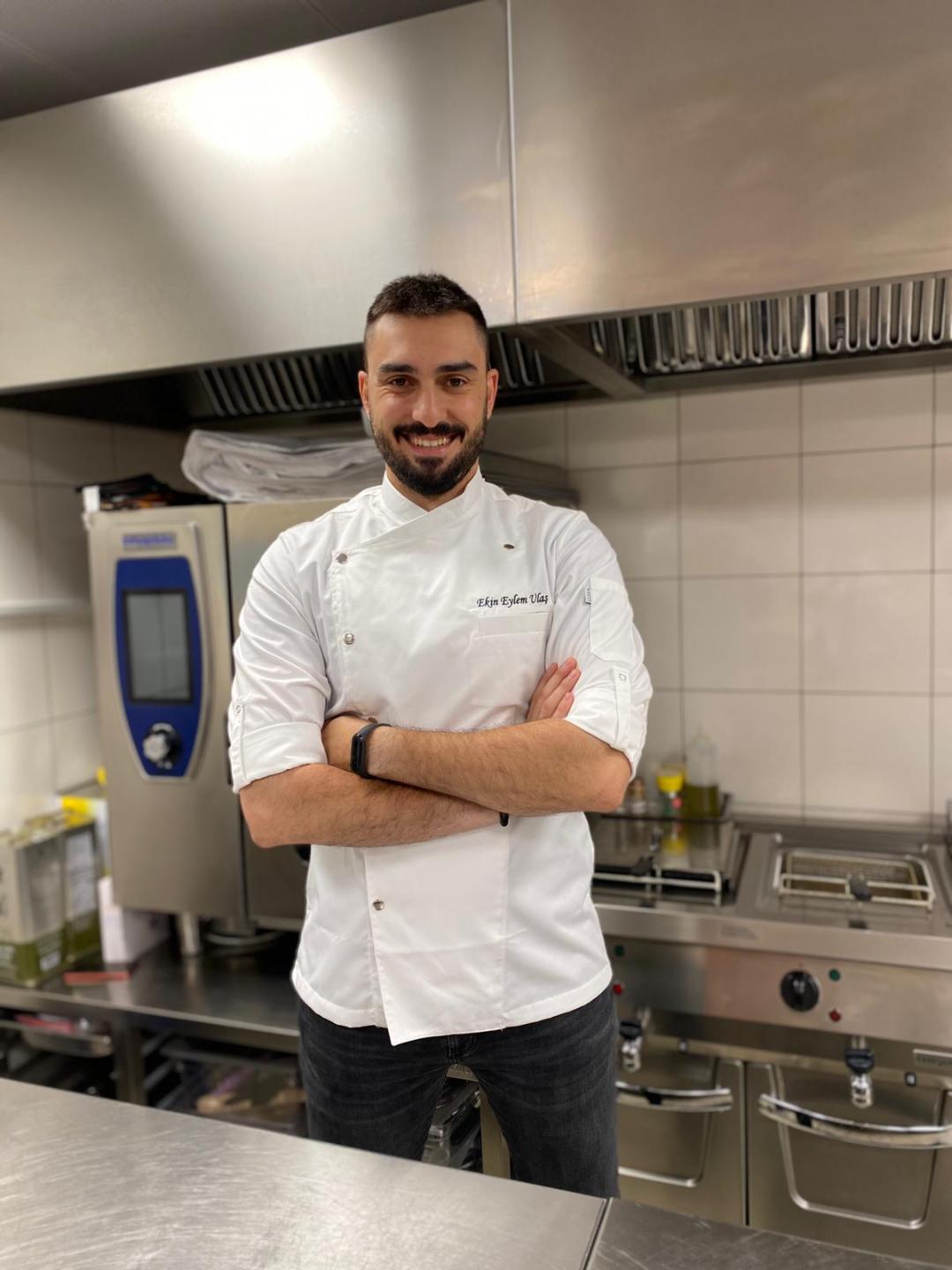
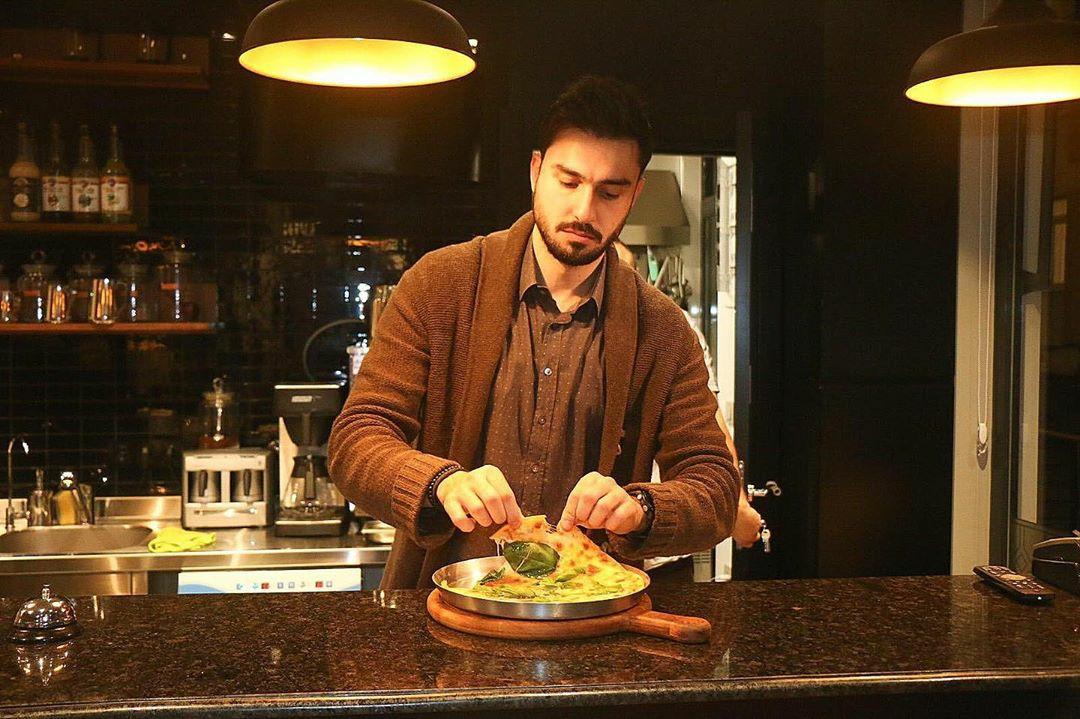
To know more about the country’s food culture I had an interview with Chef Ekin. Chef Ekin Eylem Ulaş ( Instagram A/c: ekineylemulas ) , a celebrity chef from Turkey, became famous after achieving 4th position in MasterChef Türkiye 2019. He started his career as a butcher apprentice and worked for 14 years as a chef and for the last one and a half years he has been working as an executive chef at Istanbul Airport. His father played a major role in making decisions regarding his career.
Q.) What is food culture according to you?
Chef Ekin: Food culture first originated from the requirement to meet the basic human need of eating, but nowadays it has developed into a lifestyle, just to name a few: a vegan diet, vegetarian diet, nutrition for sports, etc. Today, not only countries’ food culture but also individual’s signature dishes are in competition.
Q.) How does the culture of countries influence their food habits?
Chef Ekin: A country’s culture has an undeniable influence on the dietary pattern of that country. For example, the calm life philosophy of the Japanese is reflected in the small portions of their meals, mostly consisting of acidic products that are rather raw and require prolonged chewing. As a result of the fast life habits in Western culture, we see that meats are preferred as rare and great importance is attached to desserts.
Q.) Do Turkish people have any traditional culture of dining?
Chef Ekin: While, in some countries, salad is served as a starter, Turkish people tend to eat salad as a side to their main dish. Or, for example, French people eat their dessert before their main course, but we eat it after. Turkish people see the dining table as a culture to strengthen family ties. And great meaning is attached to breaking bread with other people. Everyone at the table starts eating at the same time, gives their thanks to Allah after they finish eating, and leaves the table together.
Q.) Give some examples of the countries whose culture speaks through their way of dining.
Chef Ekin: India speaks through spices, Mexico speaks through hot and spicy food, Japan speaks through raw seafood, Italy speaks through olive oil, the U.S. speaks through fast food, France speaks through wine, Austria speaks through Schnitzel, and Turkey speaks through breakfast.
Thank you Chef Ekin for giving me your interview, I wish you all the best in your future endeavors. I hope after reading this interview you all will have in-depth knowledge about the different countries’ food and their culture.