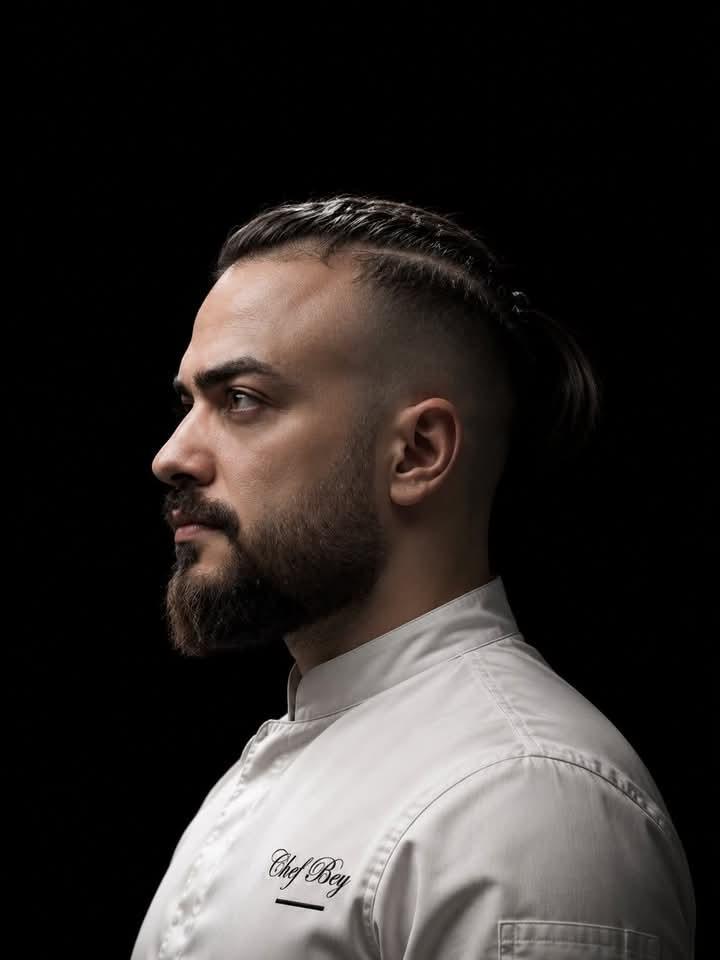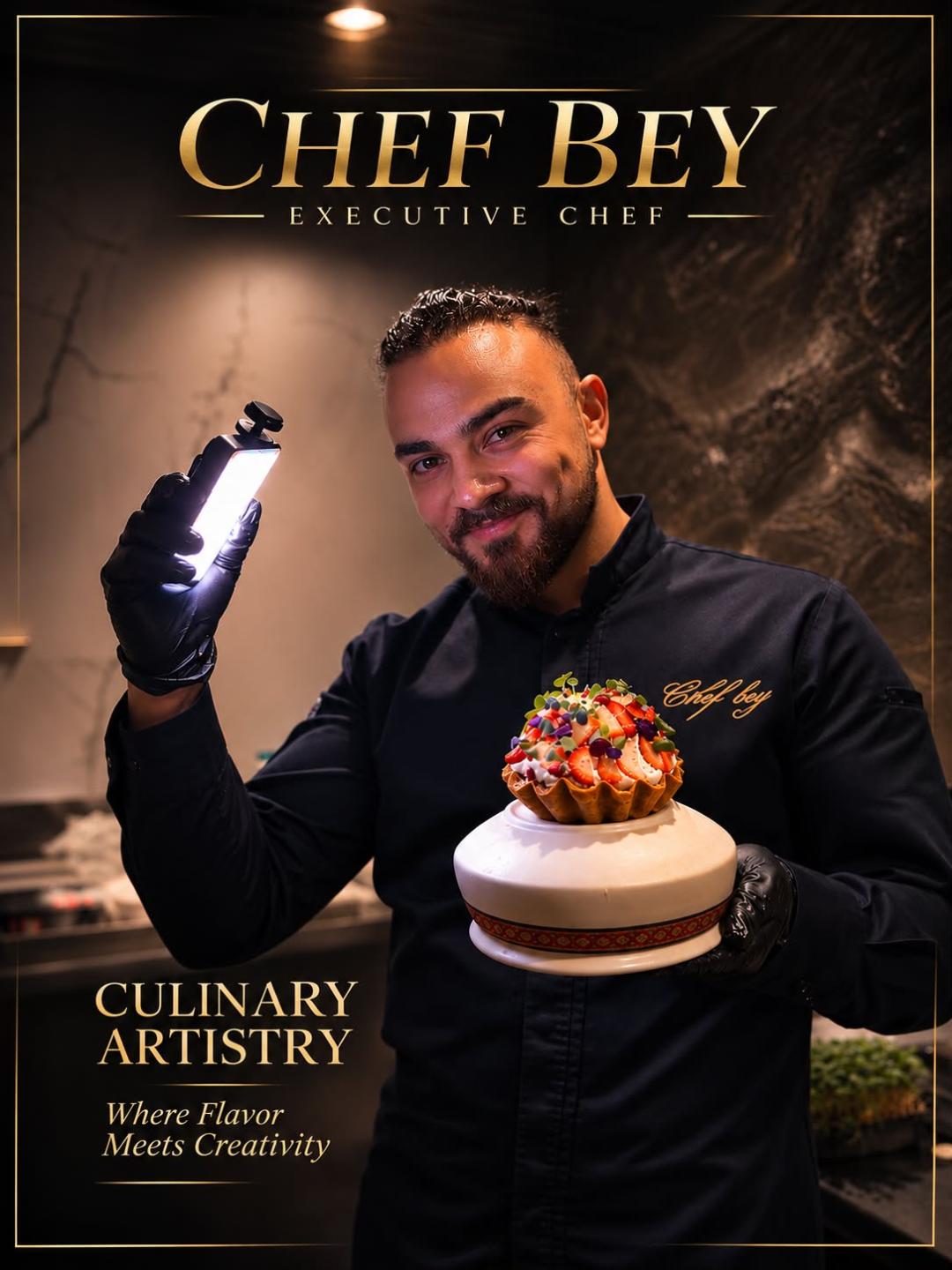
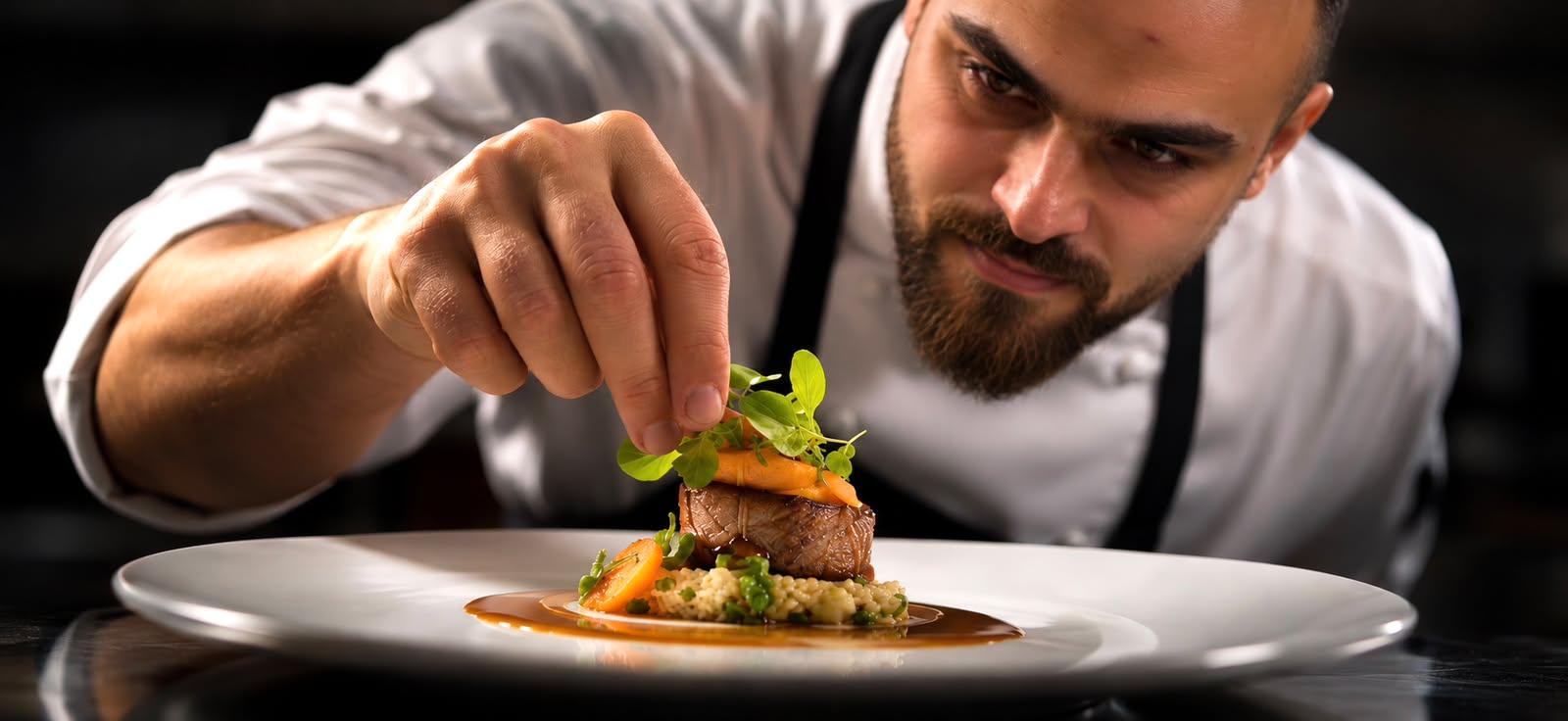
Chef Abdulrahman Antar (Instagram: @chefbeyofficial), widely known as Chef Bey, is a Lebanese Executive Chef currently working at Madareem Hotel in Riyadh, Saudi Arabia.
His culinary journey began in his mother’s kitchen, where he discovered that food is much more than ingredients and recipes. It is a language of connection, love, and care.
What started as childhood curiosity gradually developed into a lifelong passion, taking him across different culinary cultures and professional experiences. Winning the Best Chef – Lebanese Cuisine (Fine Dining) award in Turkey in 2022 marked an important milestone in his career, although he believes that professional growth goes far beyond awards and recognition.
Today, he sees himself not only as a chef but also as a leader, an experience creator, and a mentor dedicated to inspiring the next generation.
In this exclusive interview with Kidoz Times, Chef Bey shares insights into his culinary journey, his approach to preserving culinary heritage through innovation, and his belief that a chef’s greatest achievement goes beyond what is served on the plate.
Q: Could you tell us about Lebanese cuisine and what distinguishes it from other cuisines?
Chef Abdulrahman: Lebanese cuisine reflects centuries of cultural exchange, shaped by Mediterranean traditions and the historical influences of various civilizations. Its beauty lies in the use of fresh herbs, olive oil, seasonal vegetables, grains, and vibrant flavors that complement rather than overpower one another.
However, what truly makes it unique is the human connection behind it. In Lebanon, the dining table is more than just a place to eat. It is where families gather, share stories, and create memories. I believe food becomes truly exceptional when it brings people from different backgrounds together on an emotional level.
Q: How does a chef prepare for a culinary competition?
Chef Abdulrahman: Preparation begins long before you step into a culinary competition. Time management, discipline, technical expertise, and consistent practice are essential. However, mental preparation is equally important.
In my opinion, the greatest competition is not against other chefs but against the person you were yesterday. A competition should challenge your creativity, strengthen your confidence, and teach you how to perform under pressure.
While awards bring recognition, true professional growth comes from the lessons learned through preparation and experience.
Q: Could you share some examples of traditional Lebanese dishes that you have reimagined in a contemporary fine-dining style?
Chef Abdulrahman: For me, innovation means finding new ways to express a cuisine while preserving its essence. Throughout my career, I have experimented with modern cooking techniques, refined textures, and creative presentations to transform traditional flavors into contemporary fine-dining experiences.
Mediterranean seafood dishes, such as Samkeh Harra, offer wonderful opportunities to reinterpret familiar flavors through sophisticated presentations and modern techniques. Traditional meat dishes, such as Kibbeh, also allow room for creativity while preserving their original identity, flavor, and authenticity.
My goal is never simply to impress guests with technical skills. It is to create that special moment when someone recognizes a childhood flavor presented in an unexpected way.
Q: In your opinion, what does it take for a culinary student to become an excellent chef?
Chef Abdulrahman: While talent may open doors, a lasting career is built on dedication, humility, and continuous learning. Learning a recipe may take hours, but truly understanding the profession takes years.
Young chefs should never rush their progress. They should embrace challenging experiences, welcome constructive criticism, and remain eager to learn.
Through my leadership experience, I have learned that technical skills build professionals, while emotional intelligence builds outstanding leaders.
An excellent chef respects the team, listens to others, and encourages everyone to reach their full potential. One of my greatest goals as a leader is to develop individuals who will one day become even better than me.
Q: What is your culinary philosophy?
Chef Abdulrahman: Respect the roots. Challenge the ordinary.
Flavor should always come first. Technology and innovation should enhance the dining experience rather than take away from it. Seasonal ingredients, ethical sourcing, reducing food waste, and appreciating the effort behind every product are all essential to my approach.
I believe innovation should never be limited by a particular cuisine or tradition. Ultimately, I want guests to remember not only what they tasted but also how the entire experience made them feel.
Q: How has working in different countries contributed to your culinary development?
Chef Abdulrahman: Working across different cultures has taught me much more than new recipes. Lebanon shaped my appreciation for authentic flavors and warm hospitality, while Turkey broadened my technical perspective and deepened my understanding of culinary discipline.
Saudi Arabia has further strengthened my expertise in leadership, operational management, and creating hospitality experiences for diverse guests.
Working with multicultural teams has also taught me that effective leadership requires listening, empathy, and respect for others. Each country has contributed to my professional development, but more importantly, every experience has helped shape who I am today.
Q: What inspired you to give traditional Saudi dishes a modern twist?
Chef Abdulrahman: Saudi Arabia’s remarkable geographical diversity and rich culinary heritage inspired me to explore new creative possibilities. I have worked on contemporary interpretations of traditional dishes, including fusion-inspired creations such as Jareesh Samosa and Hail Kebabat, presented as elegant bites for premium hospitality experiences.
My goal is to showcase traditional Saudi cuisine from a contemporary perspective without changing its essence. The most rewarding moment is when a guest discovers something familiar in an unexpected presentation while still feeling connected to its history.
Q: What advice would you like to share with Kidoz Times readers?
Chef Abdulrahman: Making mistakes or experiencing setbacks does not mean you have failed. Giving up is what truly defines failure. Never underestimate humble beginnings, and never compare your first chapter to someone else’s twentieth.
Dreams require patience, self-discipline, courage, and a willingness to keep learning. Never let failure destroy your confidence, and never let success take away your humility.
Dreams require patience, self-discipline, courage, and a willingness to keep learning. Never let failure destroy your confidence, and never let success take away your humility.
Above all, do not spend your life trying to become someone else’s definition of success. Create a story that is uniquely yours.
Every new challenge is an opportunity to take one step closer to your goals.
Chef Abdulrahman believes: “Great cooking starts with love, and great leadership starts with people.”
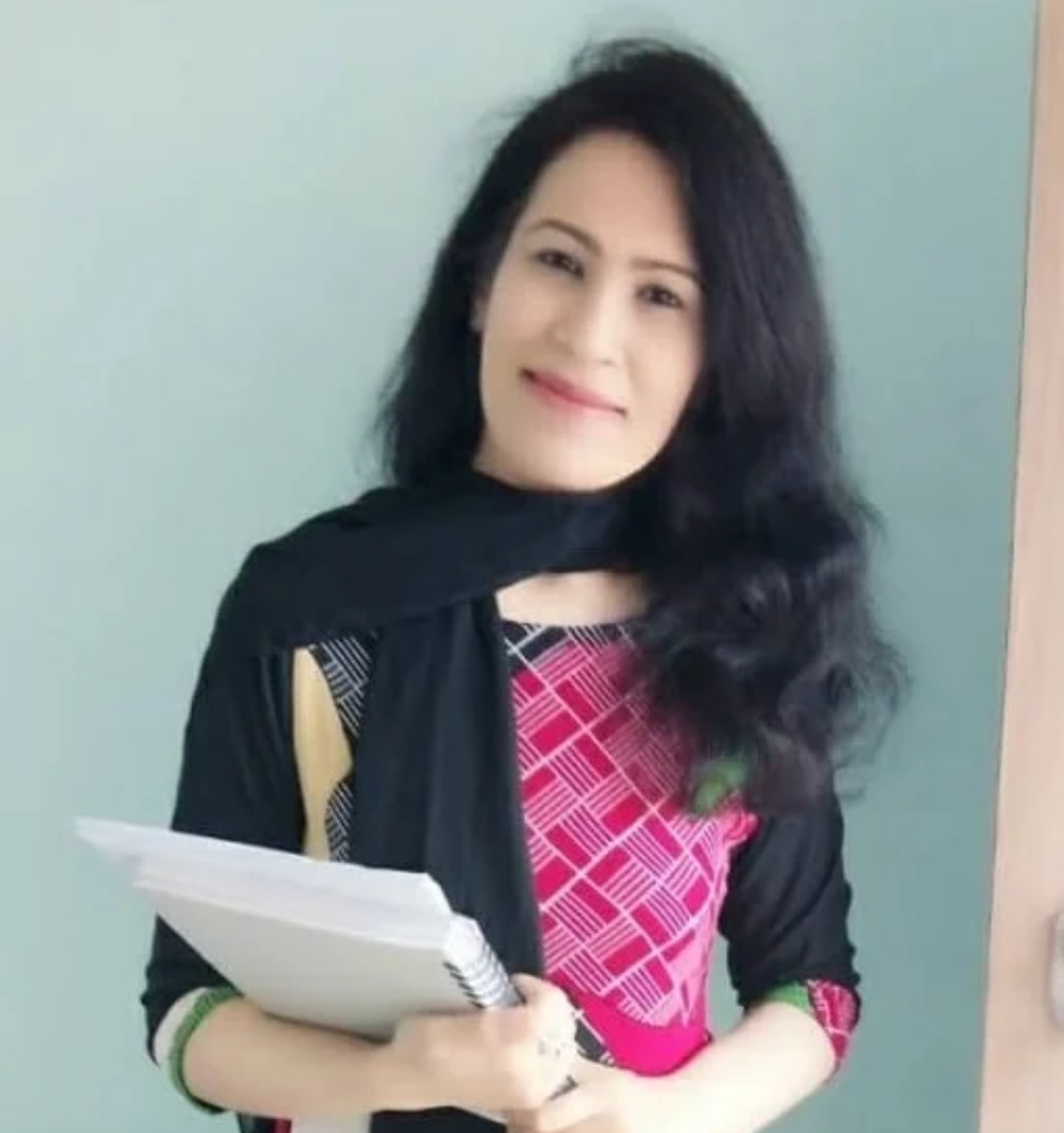
Interview by: Rida Khan (Aviation Author)
Instagram: @aviationauthor.ridakhan