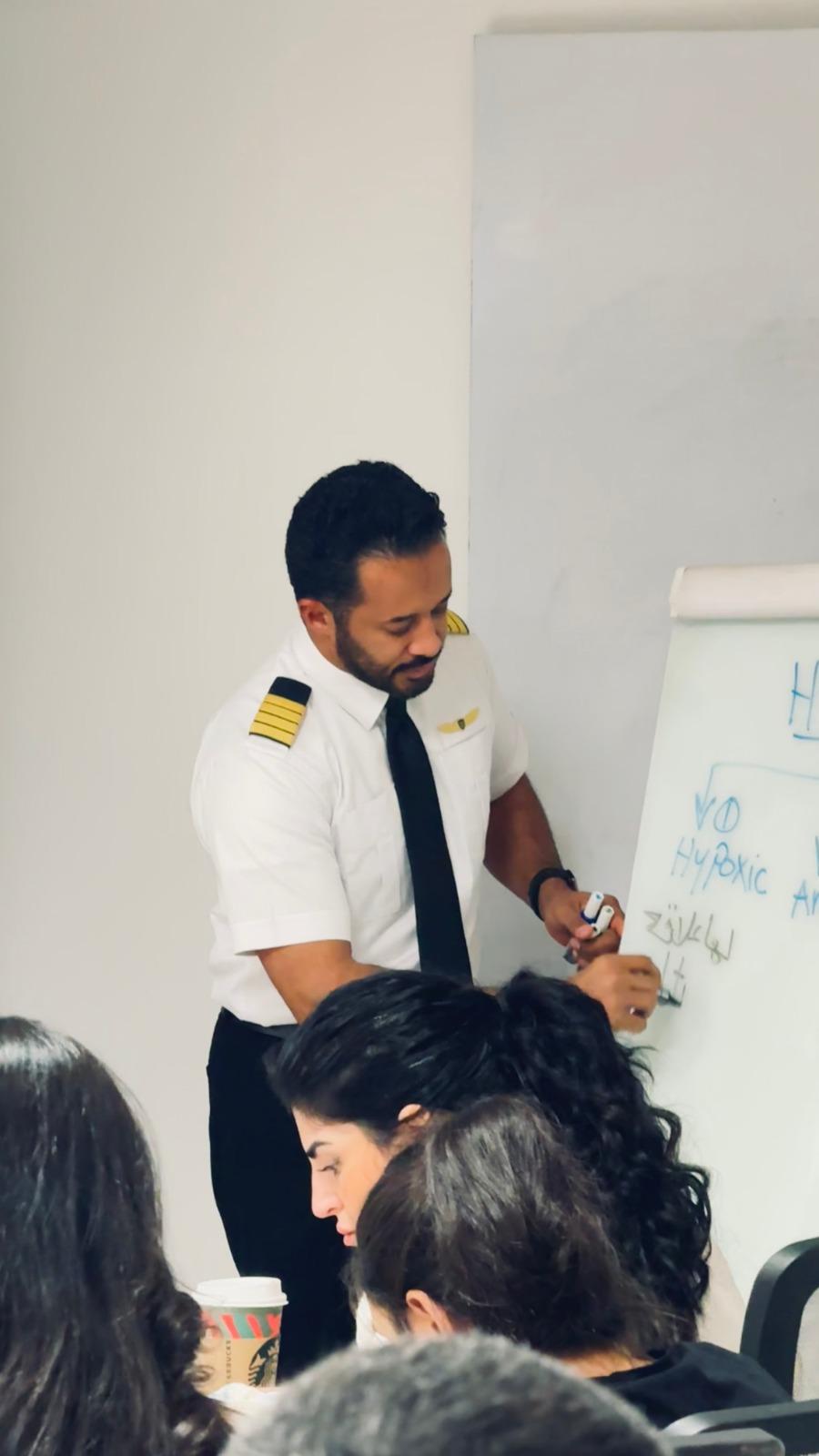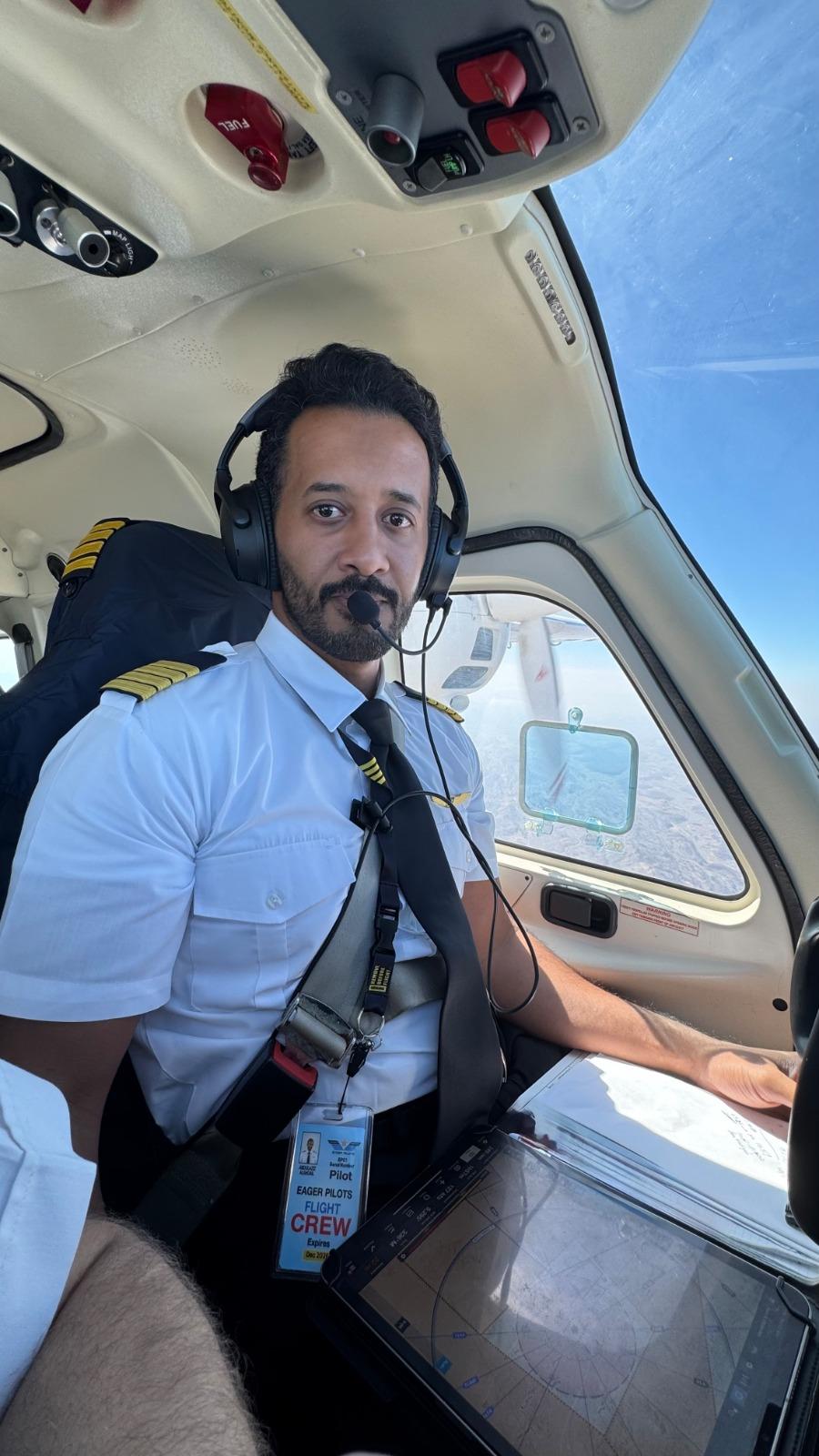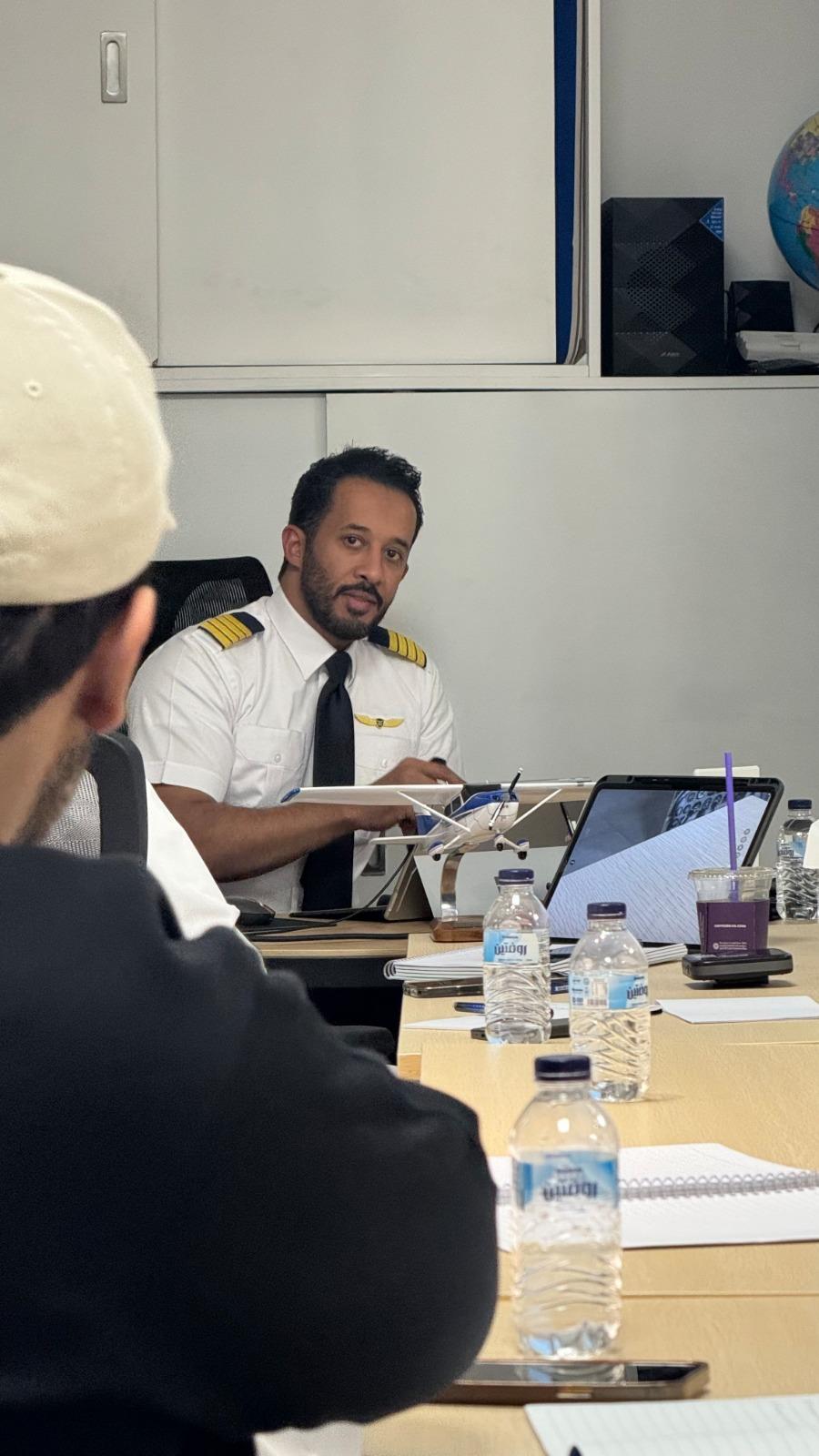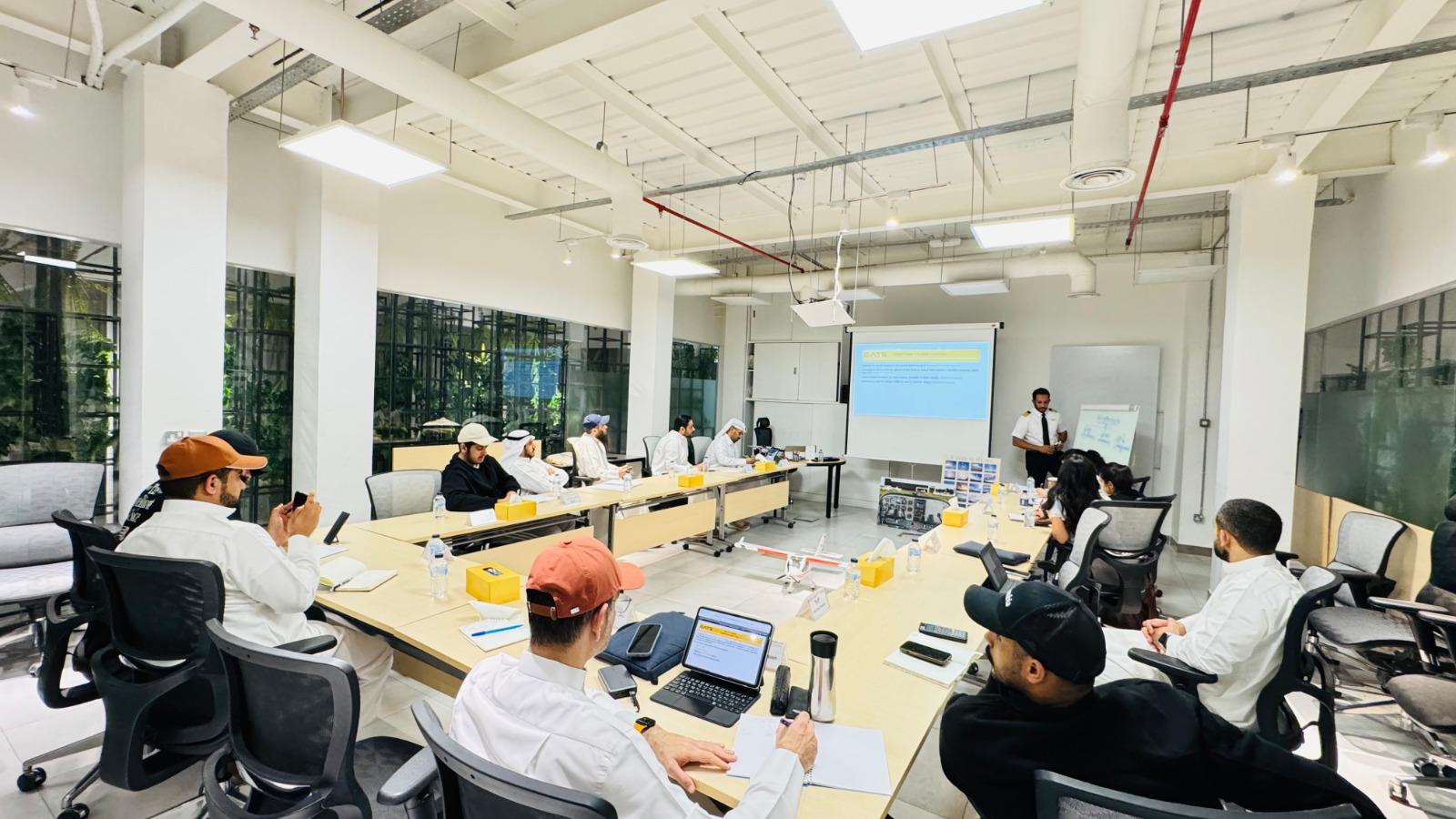
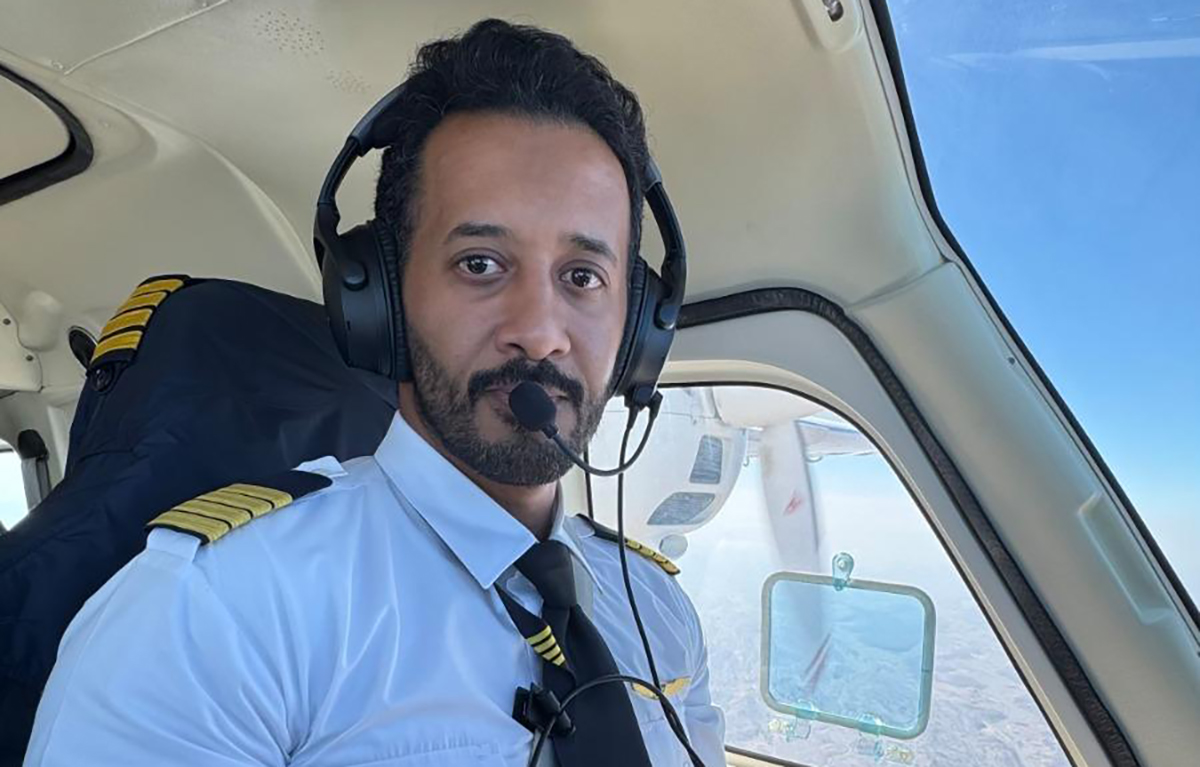
Captain Abdulaziz Alshoail (Instagram A/c: abdulaziz_alshoail) of Kuwait is a pilot, instructor, and founder of Eager Pilots for Aviation Consultation and Training, which operates under The Mohammed bin Rashid Establishment for Youth Enterprise Development (Dubai SME). This educational initiative aims to introduce prospective pilots to the aviation industry by teaching the principles of flight, laying out the requirements for acquiring a pilot’s license, and offering theoretical training for pilot licensing. Along with his professional career in the oil and gas sector, where he currently serves as Director, aviation has been his true love since childhood. He has spent years teaching, mentoring, and raising aviation awareness through Instagram, formal ground school programs, flight training collaborations, and educational content aimed at making aviation more accessible and understandable.
Q.) In comparison to other occupations, what is the scope of a pilot’s career?
Pilot Abdulaziz: When compared to many other professions, the aviation industry is distinguished by its broad professional reach. Commercial passenger airlines are not the only employment options for pilots; general aviation, business aviation, cargo operations, flight instruction at aviation schools, air ambulance services, search and rescue operations, aerial surveying, and other specialized fields are also available.
Additionally, there are long-term professional development opportunities in aviation. Pilots may eventually go into management positions or work in fields including planning, training, aviation safety, and regulatory oversight. For people with passion and dedication, aviation is one of the most stable and varied occupations available. It offers international mobility, global prospects, and a structured career path based on experience and skill, which sets it apart from many traditional professions.
Q.) How a student gets a pilot license?
Pilot Abdulaziz: Obtaining a pilot’s license entails numerous important steps, beginning with theoretical training. The student studies topics like flight principles, air navigation, meteorology, aircraft systems, and aviation laws during this phase. The goal of this stage is to give the student a solid scientific basis so they can comprehend the aircraft and the aviation environment.
After that, the student advances to the practical training phase, which entails real flight instruction under the guidance of a certified flight instructor while accruing the necessary number of flight hours based on the type of license. The relevant civil aviation authority administers written, oral, and practical exams to the student in the final stage. The student receives a pilot’s license after fulfilling these prerequisites.
Q.) In your perspective, what are the hurdles, downsides, and benefits of being a pilot?
Pilot Abdulaziz: The primary obstacles, in my opinion, are the fluctuating expense of training, the demanding nature of aviation coursework, and the ongoing need to preserve professional competency and medical fitness. A pilot must also be able to adjust to erratic schedules and have a great degree of responsibility because every choice they make could have significant consequences.
There are several advantages, such as a great sense of accomplishment, professional respect, and unique career opportunities that are uncommon in many other industries. In addition to providing chances for travel and working in a very organized and disciplined structure, the aviation industry also fosters ongoing professional and personal growth. The benefits of this career certainly exceed the difficulties for those who are dedicated and passionate about it.
Q.) What factors must be considered before choosing a flight school?
Pilot Abdulaziz: One of the most significant elements to consider when selecting a flight school is the type of pilot license given by the aviation authority under which the school operates. Since some licenses are significantly more in demand in the job market than others, students must ascertain whether the licenses granted by each nation are internationally recognized or confined locally.
The location of the school, weather that permits year-round travel, the availability and condition of aircraft, the total cost, and whether the school provides financial aid in the form of flexible payment or installment plans are further important considerations.
Given the substantial financial outlay required for flight school, I always counsel students to visit the flight school in person, speak with the administration, and observe the atmosphere for themselves. Because of personal circumstances and academic pressure, relying exclusively on the opinions of other students can be deceptive. A personal visit enables the student to weigh all pertinent considerations and come to a confident, knowledgeable conclusion.
Q.) What skills would be useful or necessary for a pilot to possess?
Pilot Abdulaziz: One of the most important traits in aviation is discipline, which a pilot must have, along with a strong feeling of duty, focus, self-confidence, and patience. Given the demanding nature of the profession, strong time and stress management skills are also essential.
Furthermore, effective leadership and communication abilities are essential for safe flight operations. It is equally crucial to develop social and emotional intelligence because these abilities promote professionalism, teamwork, and wise decision-making. Above all, these traits should be cultivated even prior to beginning flight school, as they are the cornerstone of a dependable and successful pilot.
Q.) Any advice for the upcoming pilot.
Pilot Abdulaziz: I advise students who are in training as well as those who are just starting their aviation studies to embrace patience and discipline. What we see today—pilots confidently handling aircraft—did not come easily. It was only after years of hard work, rigorous discipline, and conquering many obstacles that they were able to secure their position in the cockpit.
By: Rida Khan (Aviation Author)
Instagram A/c: aviationauthor.ridakhan