“Distorted Filter” Film – Supported by:
FREE PRESS UNLIMITED
In light of the rapid transformations taking place in the media sector, Kidoz Times implemented a dialogue-based media project aimed at highlighting the reality of women’s and youth participation in the Jordanian media landscape and strengthening their presence as content creators and key actors in shaping a more inclusive, diverse, and impactful media environment.
The project is grounded in a participatory programmatic approach that combines direct listening to target groups with transforming the resulting knowledge into media content that reflects real-life experiences and professional challenges within the sector. The initiative engaged media practitioners at different levels, including media students, media graduates, and professionals working in the field, ensuring diversity of perspectives and depth of discussion.
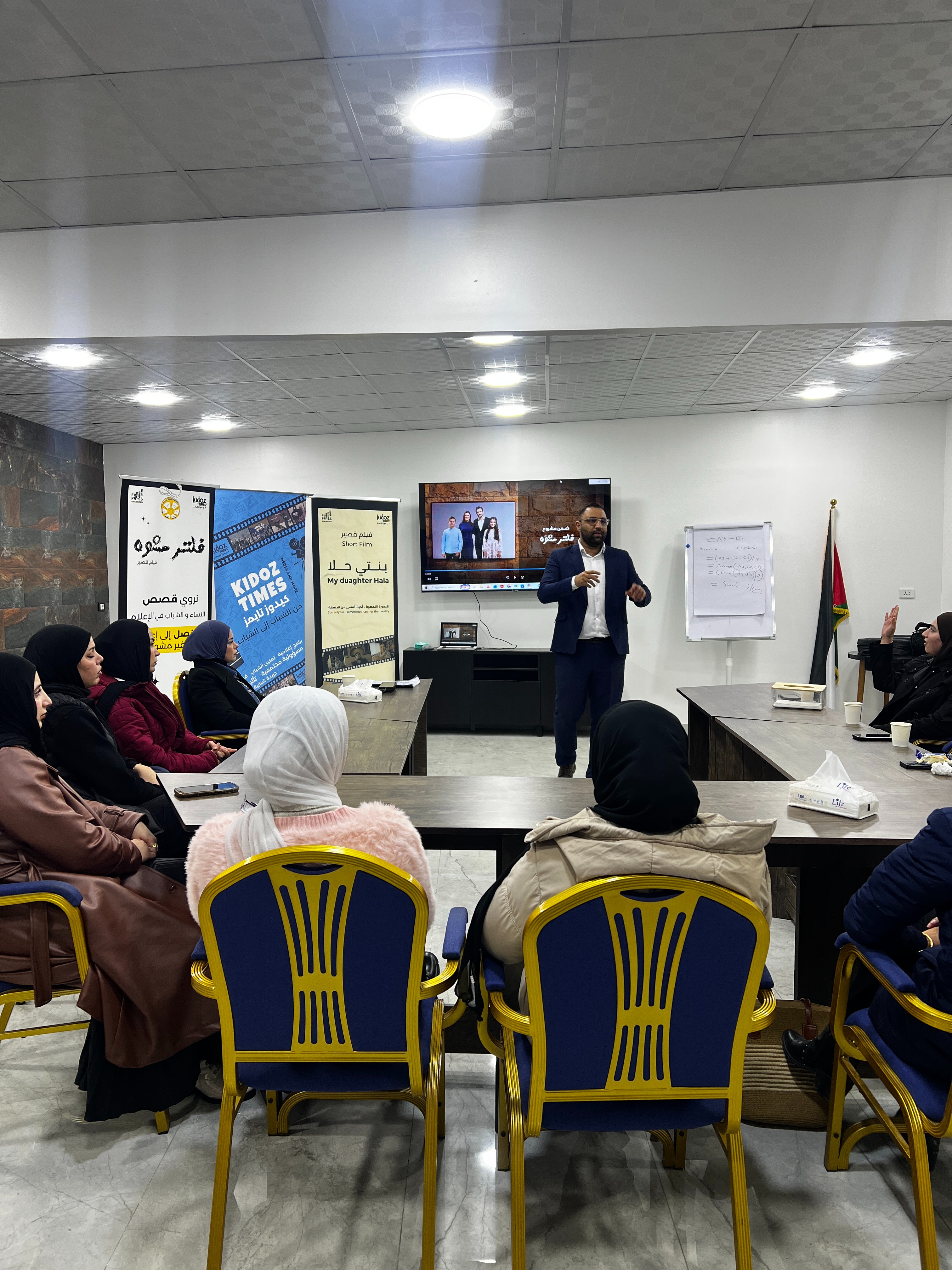
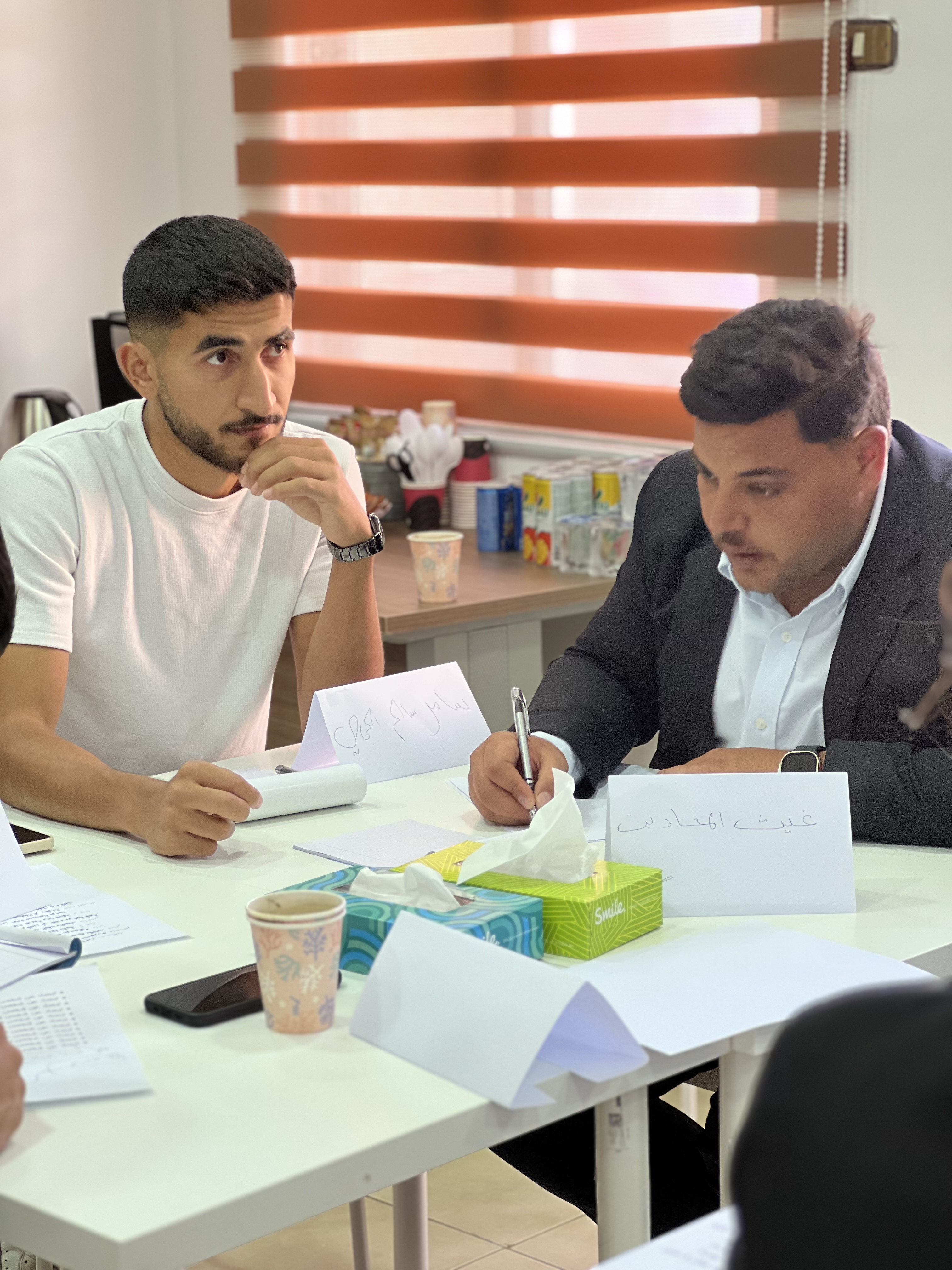
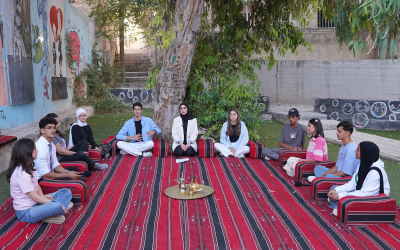
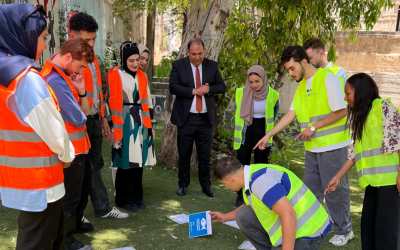
Kidoz Times led the implementation of structured brainstorming sessions across four Jordanian governorates: Amman, Madaba, Irbid, and Karak. These sessions aimed to identify the challenges faced by women and youth in the media sector, understand empowerment gaps, and explore opportunities for fostering a more equitable media environment. Discussions were documented using qualitative evaluation tools, enabling the transformation of outputs into knowledge that is analyzable, actionable, and adaptable for future development.
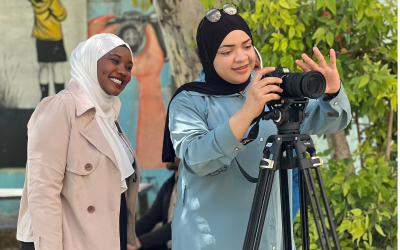
The project then moved into an evidence-based media production phase, during which the platform transformed the session outputs into a short film script in collaboration with a professional writer and director. The film drew directly from the discussions, serving as the culmination of an in-depth field listening process grounded in real experiences, rather than a standalone artistic production detached from its social context.
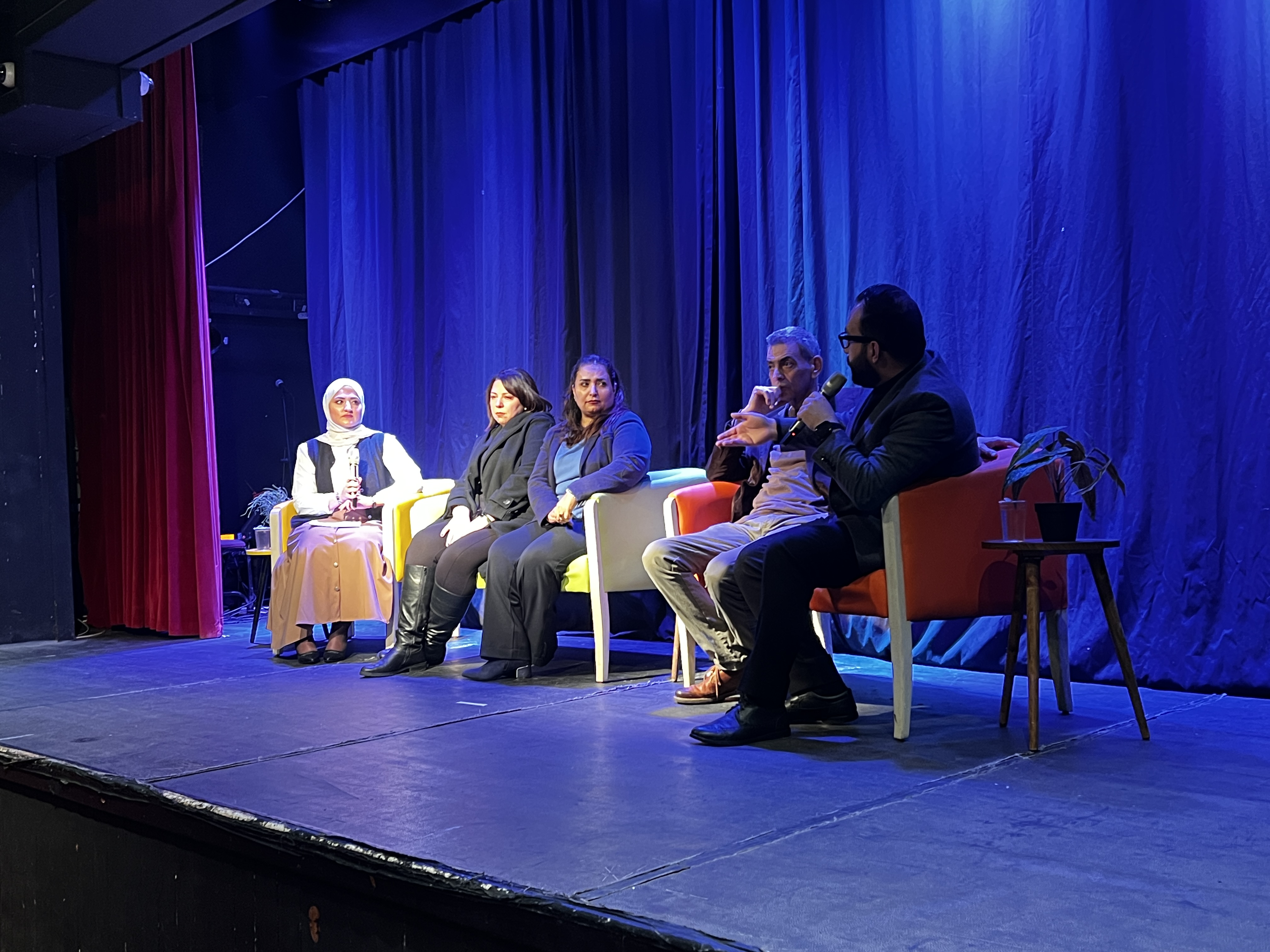
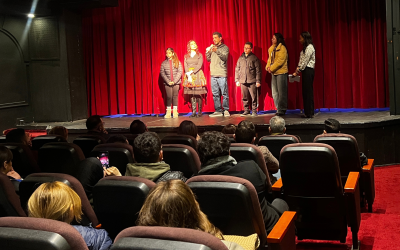
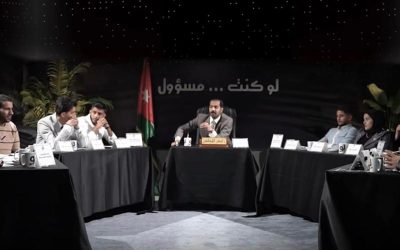
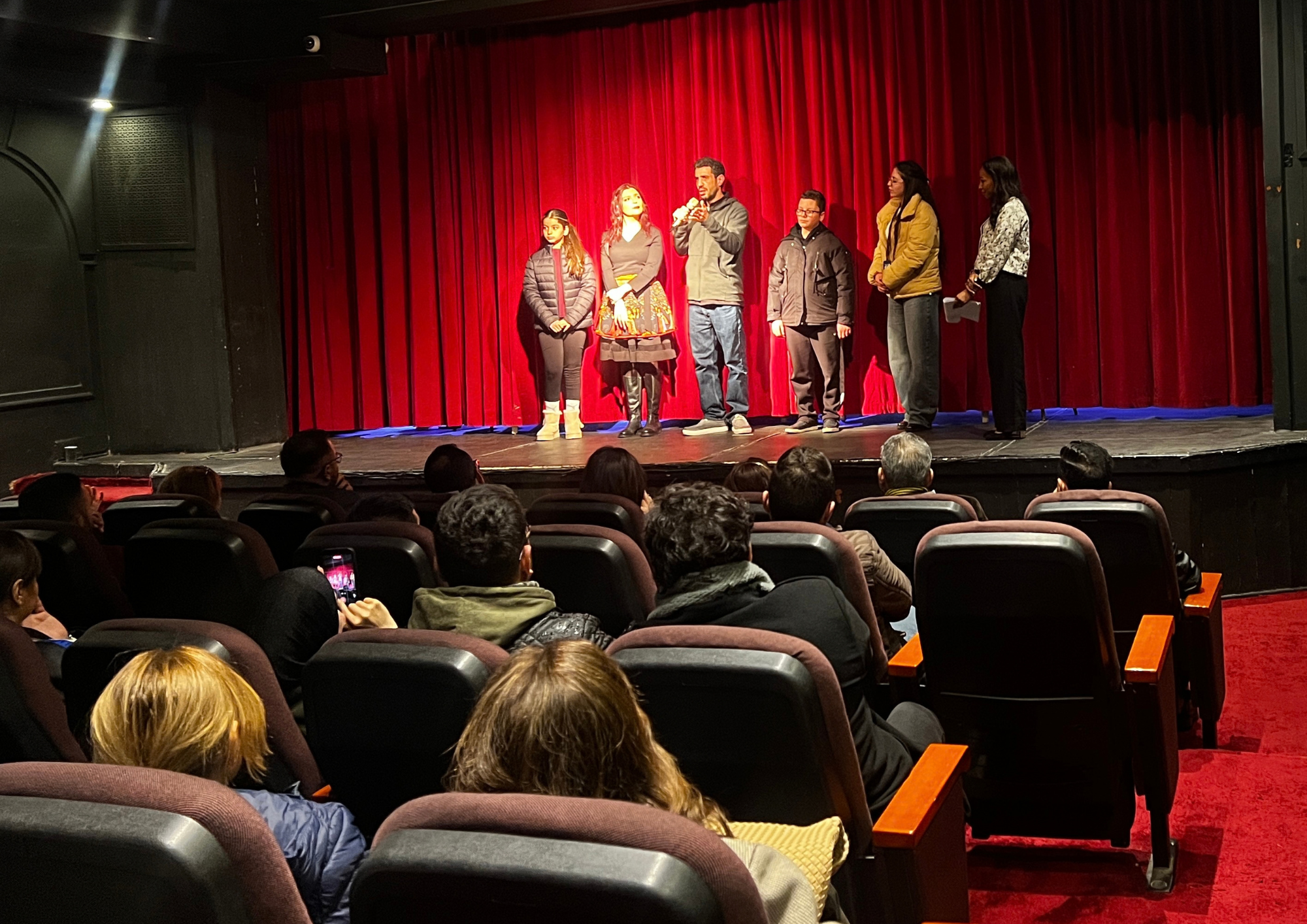
The film’s premiere screening in Amman marked a key milestone in the project’s trajectory. The screening was followed by a rich panel discussion featuring leading journalists, content creators, and media professionals. The discussion addressed issues of media representation, the role of women and youth in content production, as well as the opportunities and structural and professional challenges facing media workers, deepening the dialogue and turning the screening into a constructive professional exchange aligned with the project’s objectives.
The platform expanded the project’s reach and impact by organizing additional screenings in the governorates of Mafraq, Zarqa, Jerash, and Ajloun, each accompanied by community dialogue sessions aimed at strengthening local engagement and gathering further feedback on the issues raised. The film was also published across the platform’s social media channels, broadening audience reach and contributing to the sustainability of impact.
This project demonstrates Kidoz Times’ capacity to design and implement participatory media interventions that work directly with targeted groups within the media sector, transforming their experiences and challenges into impactful content and broad community dialogue. It also offers supporting partners a model of a platform with the vision, implementation expertise, and scalability potential to adapt this approach to different contexts, thereby strengthening sustainable investment in youth- and women-led media.