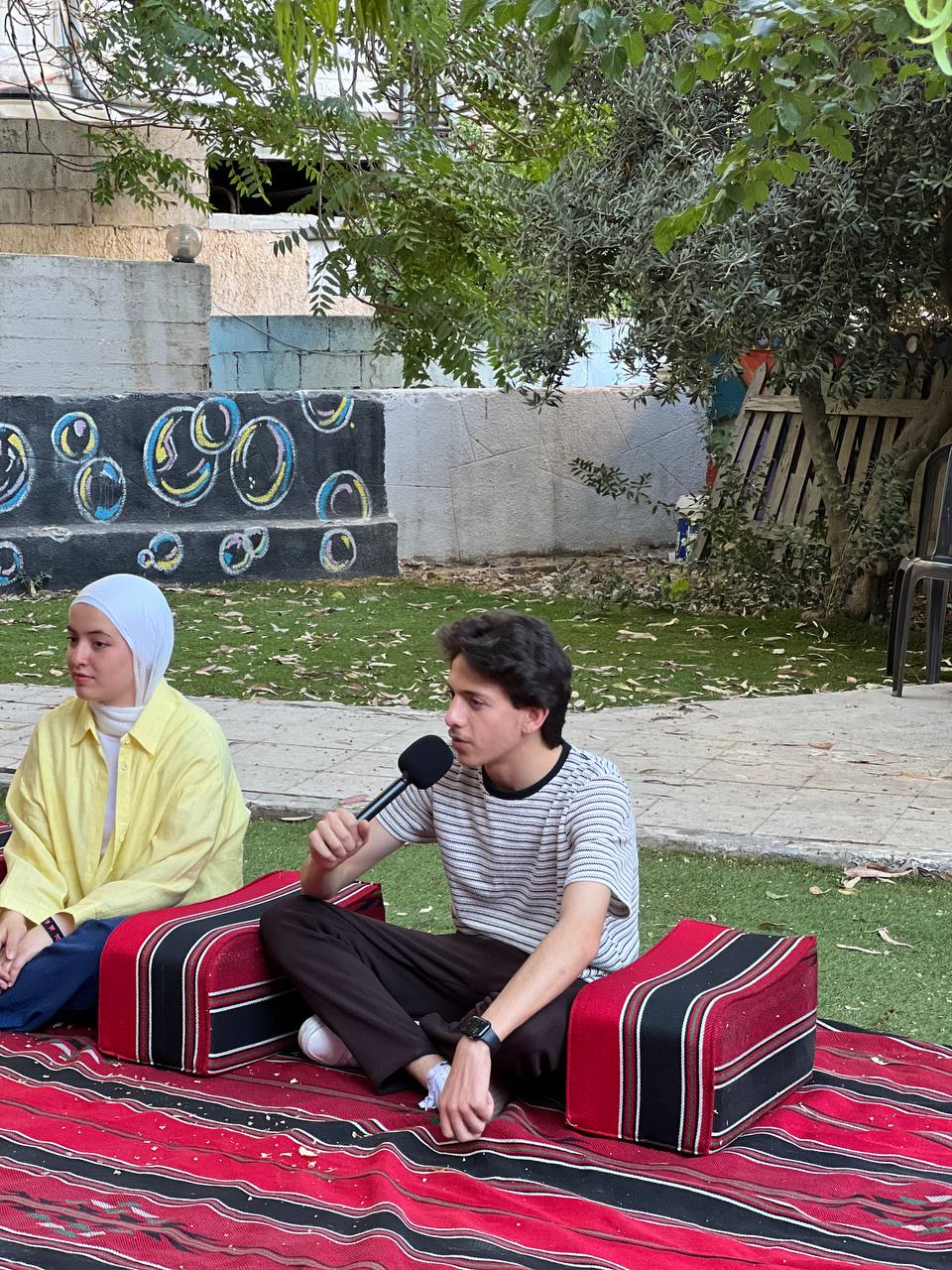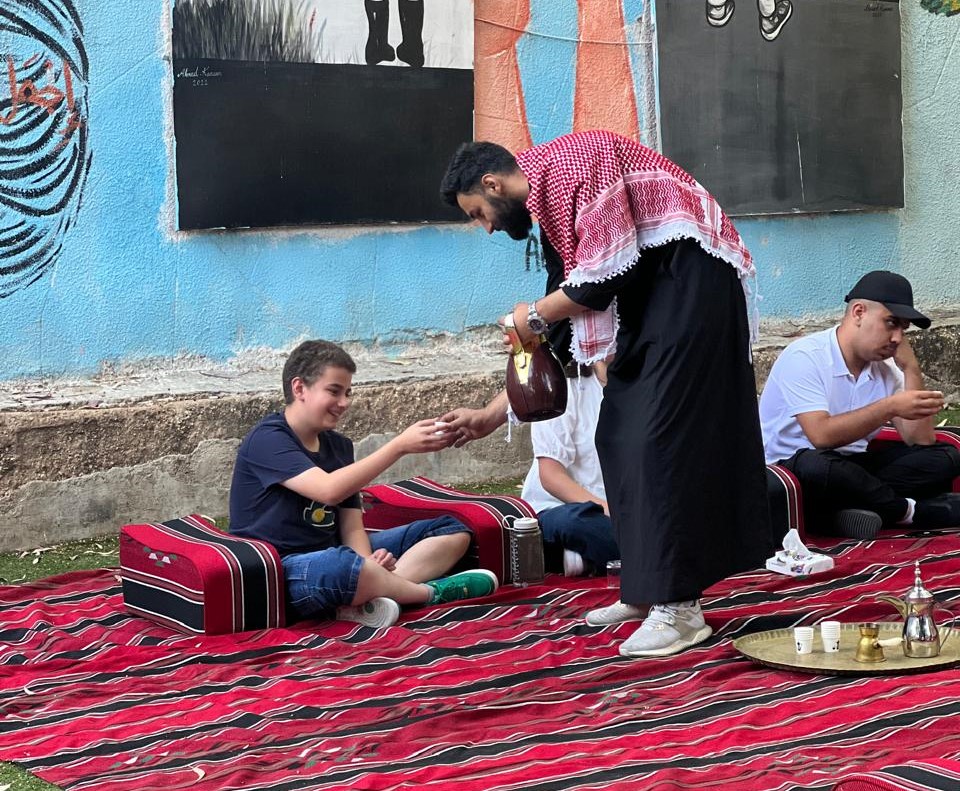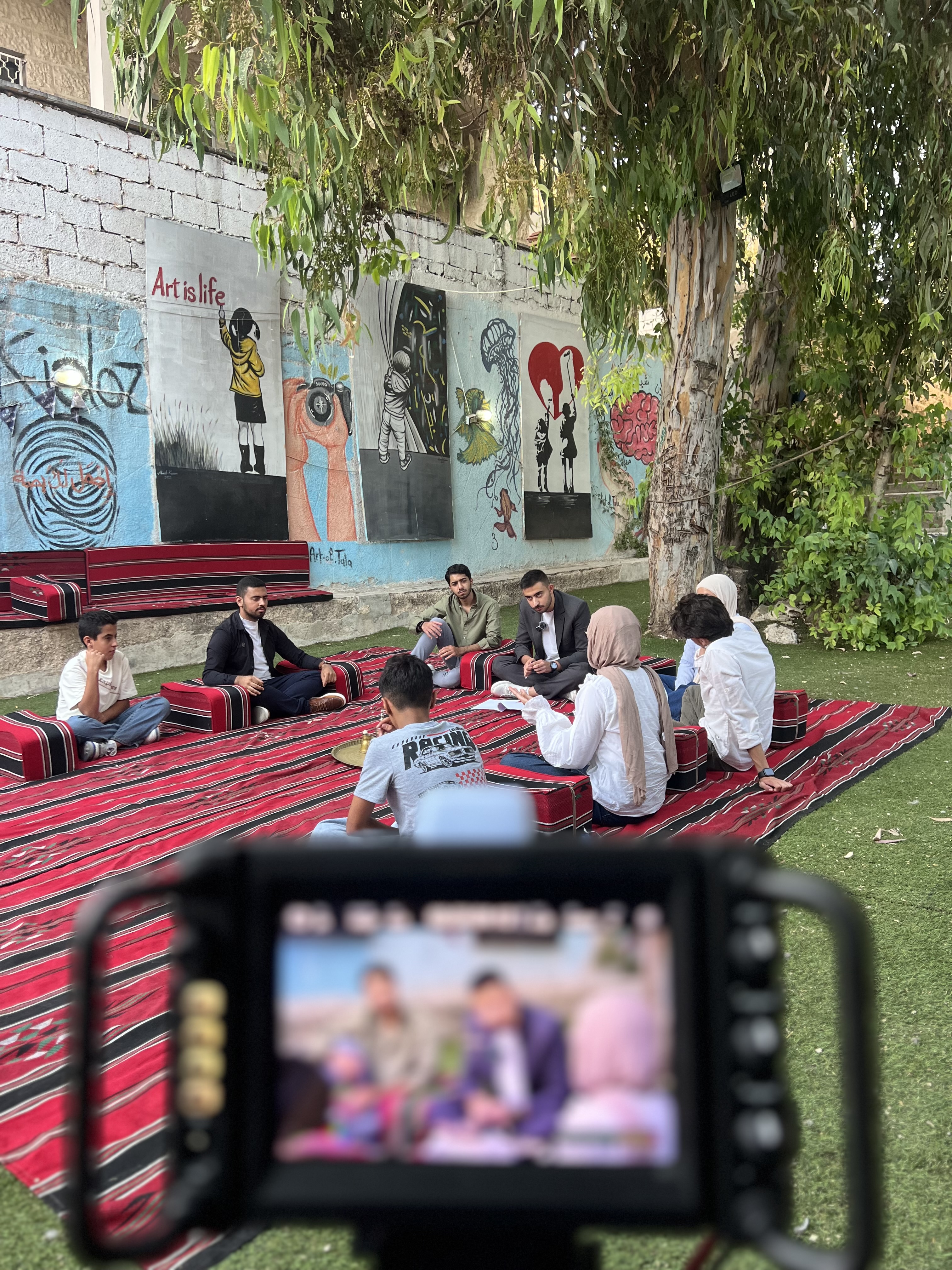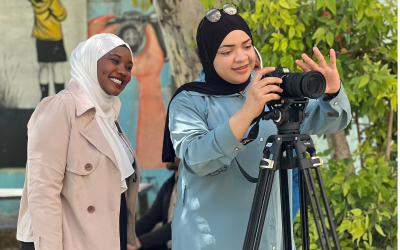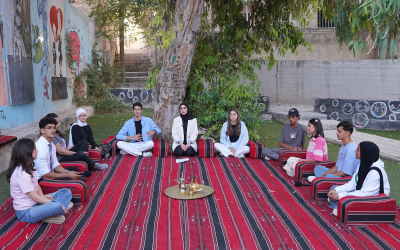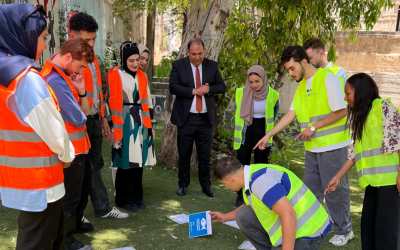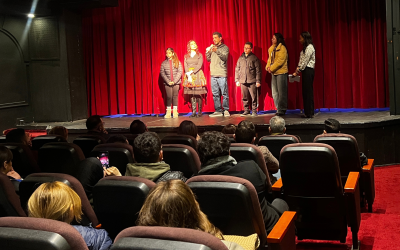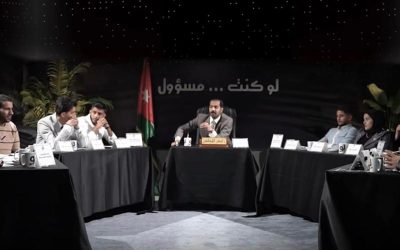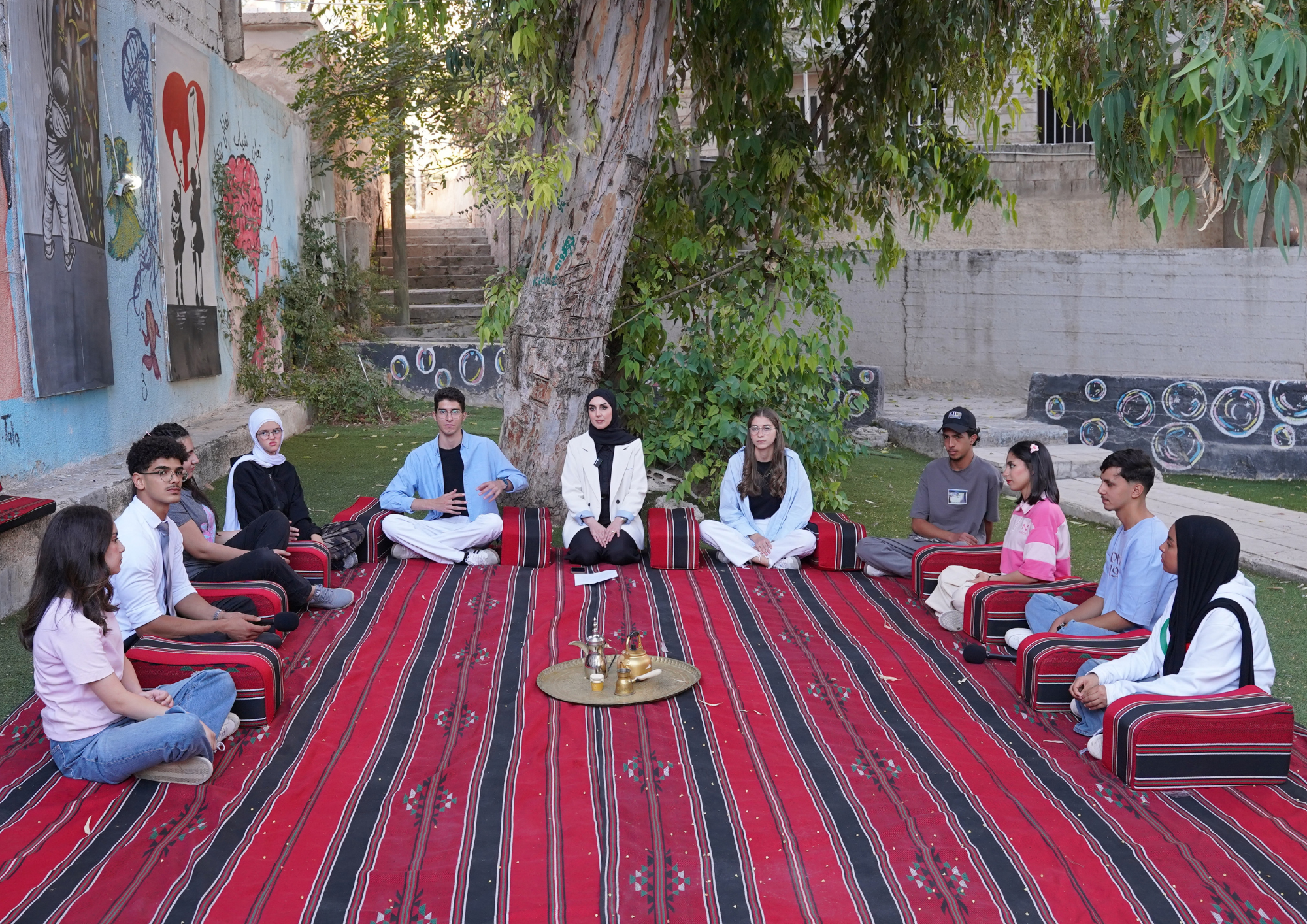
The “Politics Our Way” project was implemented starting in February 2025 in collaboration with CFI and included the production and delivery of six interactive discussion sessions in a Diwaneh format, engaging approximately 50 young participants aged 15–17. The sessions were facilitated by young moderators with experience in political and community work, ensuring a safe, inclusive, and youth-friendly learning environment. Each session focused on simplifying and discussing ten political terms, bringing the total number of political concepts addressed throughout the project to 60. A participatory and dialogue-based approach was adopted to enhance understanding, encourage expression, and promote open discussion. Female participation exceeded 55%, reflecting a clear commitment to gender balance and inclusivity. In parallel with the discussion sessions, more than 70 short videos (Reels) were produced, each dedicated to explaining a single political term in a simplified and age-appropriate manner. In addition, six Instagram Live sessions were conducted to strengthen direct engagement with audiences and broaden the scope of discussion. The project team coordinated closely with institutions, influencers, and schools to recruit a diverse and high-quality group of participants, ensuring meaningful dialogue and strong outputs. Despite initial challenges related to parental hesitation and youth reluctance in the context of regional developments, the team successfully built trust with participants and their families through transparent communication and by clearly emphasizing the project’s educational and non-partisan nature. This trust was reflected in increased interest and higher participation levels in later sessions. At the digital level, the project achieved a reach exceeding one million users across social media platforms, with consistently high and stable engagement on the published content.
The project’s content reached over one million users across digital platforms, surpassing the initial target, with a gradual increase in interaction and interest, particularly during the later episodes. These results demonstrate a high level of implementation efficiency and confirm the project’s success in delivering accessible, safe, and engaging political content for youth, achieving impact beyond the originally defined indicators.
Strong alignment was observed between the implemented activities and the project’s stated objectives, as the initiative contributed to enhancing young people’s understanding of political concepts and strengthening their self-confidence, dialogue skills, and ability to express opinions. Among the unexpected positive outcomes was a notable increase in youth ownership of the project, with several participants moving from initial hesitation to active engagement and encouraging their peers to join the sessions and follow the content. A clear increase in applications following the release of the first episodes further reflected the project’s growing credibility within the community, alongside a gradual decrease in parental concerns as the project’s balanced and educational approach became evident. The filmed Diwaneh sessions provided a safe space for discussion, while the short-form videos and live sessions significantly expanded outreach and interaction, particularly as content was organically shared among peers. The Instagram Live sessions played an important role in deepening audience connection, humanizing the experience, and fostering trust, which encouraged open and constructive dialogue.
The project was designed with sustainability and long-term impact in mind. It contributed to building a base of politically aware and engaged youth capable of transferring knowledge to their peers and local communities, creating a multiplier effect beyond the direct participants. The digital materials produced form a reusable knowledge library that can be applied in future educational and media contexts, while the project’s wide digital reach ensures continued circulation and influence of the content. The methodology and materials have been integrated into the Kidoz Times youth media platform, creating opportunities for replication, scaling, and alignment with future initiatives in political education and civic engagement. The project’s innovative approach has also attracted interest from local institutions and civil society organizations, opening concrete opportunities for collaboration and expansion. Building on the trust established and the experience gained, there is clear potential to develop future initiatives with larger funding and sustained support, enabling engagement with a broader youth audience and deeper integration with complementary efforts in political education and active citizenship